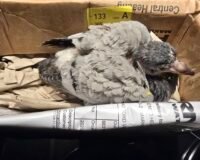
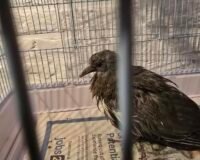
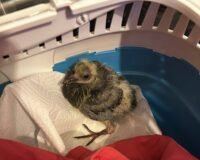
The Story Of Our Feathered Friends.
The Inspiring Journey of Lucky the Blind Bird and Her Will to Survive
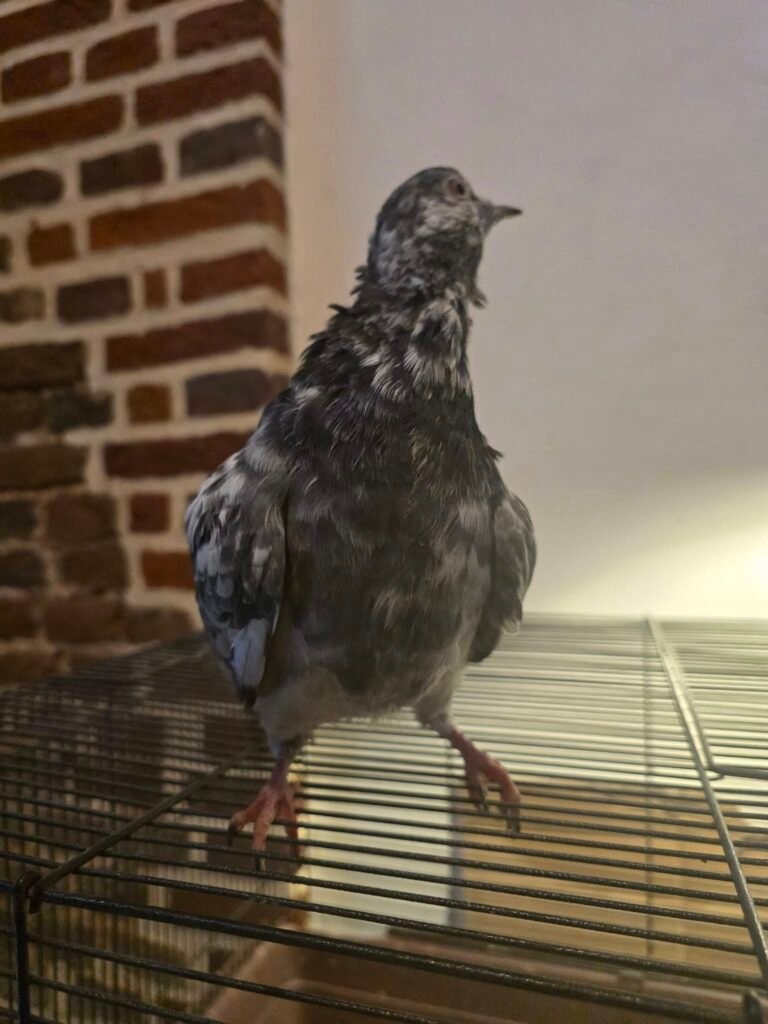
Everyone loves a story of resilience, especially when it comes from the most unexpected places. Lucky the bird is one such story. Handed in at just two weeks old, she was born blind but has shown incredible strength and adaptability. Now three months old, Lucky has learned to follow voices and feed herself independently. Her journey reveals how living creatures adjust to their surroundings and challenges, offering a powerful lesson in survival and hope.
Early Challenges and the Beginning of a New Life
Lucky’s story began with uncertainty. Being born blind put her at a significant disadvantage in the wild, where vision is crucial for finding food and avoiding danger. At just two weeks old, she was handed over to a caregiver who recognized her need for special attention.
The first few weeks were critical. Without sight, Lucky had to rely on other senses to navigate her environment. Her caregiver worked patiently to help her adjust, using gentle sounds and consistent routines. This early support was essential for Lucky to start building trust and confidence.
Learning to Adapt Without Sight
Blindness in birds is rare and presents unique challenges. Lucky’s progress shows how animals can adapt even when faced with severe limitations. She began to recognize her caregiver’s voice, responding to calls and sounds. This ability to follow auditory cues became her primary way of interacting with the world.
Training Lucky to eat and drink independently was another milestone. At first, she needed help locating food and water. Over time, she learned to find these essentials on her own by listening and feeling her surroundings. This independence is a testament to her determination and the careful guidance she received.
What Lucky Teaches Us About Adaptation
Lucky’s journey highlights a broader truth about living beings: adaptation is key to survival. Whether through instinct or learning, creatures find ways to cope with their environment. Lucky’s story is a clear example of this natural process.
Her ability to thrive despite blindness challenges common assumptions about limitations. It shows that with patience, care, and the right environment, even those with significant obstacles can flourish. This lesson applies not only to animals but to people facing difficulties in their own lives.
Practical Tips for Caring for a Blind Bird
Caring for a blind bird like Lucky requires special attention and adjustments. Here are some practical tips based on Lucky’s experience:
- Create a safe, consistent environment
Avoid moving furniture or perches frequently. Familiar surroundings help the bird feel secure.
- Use sound cues
Talk softly and use consistent sounds to guide the bird. This helps them locate you and important items.
- Provide easy access to food and water
Place dishes in the same spot and ensure they are easy to find by touch or sound.
- Be patient and gentle
Blind birds may startle easily. Calm movements and a quiet environment reduce stress.
- Encourage independence gradually
Support the bird in learning to feed and move around on its own, but be ready to assist when needed.
The Emotional Impact of Lucky’s Story
Lucky’s progress has inspired many who have followed her journey. Her survival and growth remind us of the power of hope and perseverance. For those caring for animals or loved ones with disabilities, Lucky offers a message of encouragement.
Her story also raises awareness about the needs of animals with disabilities and the importance of compassionate care. It challenges us to look beyond limitations and focus on potential.
Looking Ahead: What the Future Holds for Lucky
At three months old, Lucky is still young and learning. Her future depends on continued care and support. With her current progress, there is every reason to believe she will keep adapting and thriving.
Her journey also opens doors for further understanding of how blind birds and other animals can live fulfilling lives. Research and shared experiences like Lucky’s can improve care methods and inspire others to take on similar challenges.