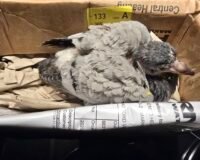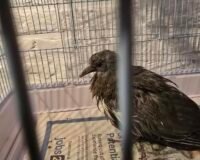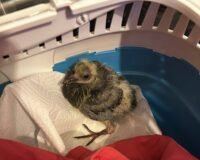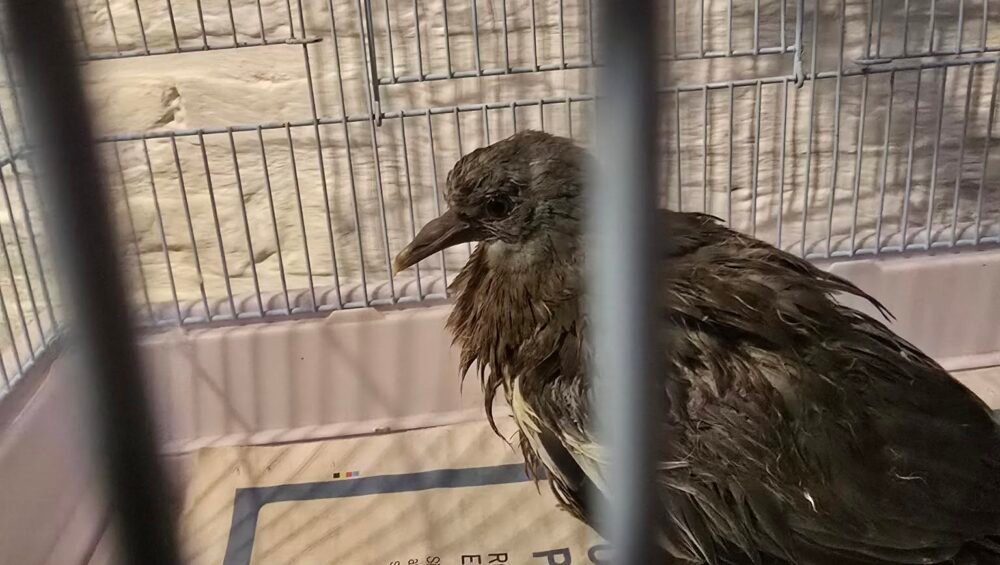
On a quiet Friday, an unexpected call brought a new challenge and a hopeful mission. Emma, a longtime volunteer with a passion for wildlife, found a young woodpecker grounded in her garden. At first glance, the bird seemed healthy and lively, ut a closer look revealed an empty crop and a reluctance to eat. This post shares the journey of nursing this young woodpecker back to health, the challenges faced, and the small victories that kept hope alive.
Discovering the Problem
When Emma first found the woodpecker, it was active but clearly not feeding. The crop, a pouch where birds store food before digestion, was empty. This was unusual because a lively bird typically shows interest in pecking seeds or insects. The lack of appetite was a red flag, signaling that something was wrong internally.
Emma’s initial observations were crucial. The bird’s alertness suggested it wasn’t suffering from severe illness or exhaustion, but the empty crop indicated it wasn’t getting nourishment. This combination pointed to a possible injury or internal issue preventing the bird from eating properly.
Identifying the Injury
By evening, the woodpecker still showed no interest in food. Emma decided to try crop feeding, a method of gently placing food directly into the crop to ensure the bird receives nutrients. As she began, she noticed something alarming: a puncture wound near the crop area.
This discovery explained the bird’s refusal to eat. The injury likely caused pain or discomfort, making the woodpecker avoid pecking at seeds. Emma carefully examined the wound, which was small but deep enough to affect the bird’s ability to feed normally.
Treating the Wound
Treating a puncture wound on a small bird requires patience and care. Emma cleaned the wound gently to prevent infection and then repaired it with appropriate veterinary supplies. This step was critical to stop further damage and allow the tissue to heal.
After treatment, the woodpecker’s crop began to hold food properly. Although the bird looked a little messy and wet from the feeding process, it was a positive sign. The warmth and constant care provided by Emma created a safe environment for recovery.
The Importance of Crop Feeding
Crop feeding played a vital role in this rescue. It ensured the woodpecker received essential nutrients while the injury healed. This method requires skill to avoid causing stress or harm, but it can be lifesaving for birds unable to feed themselves.
Emma’s dedication to crop feeding involved:
-
Preparing a suitable food mixture that mimics the bird’s natural diet
-
Using a small syringe to gently feed the bird without forcing
-
Monitoring the bird’s response to feeding and adjusting as needed
This hands-on care helped maintain the woodpecker’s strength and energy during recovery.
Creating a Healing Environment
Beyond medical care, the environment plays a big role in healing. Emma set up a quiet, warm space in her garden where the woodpecker could rest without disturbance. She ensured the bird had access to fresh water and was protected from predators.
The combination of warmth, safety, and nutrition gave the woodpecker the best chance to recover fully. Emma’s patience and attention to detail made a significant difference in the bird’s progress.
Signs of Progress
Over the next few days, the woodpecker showed encouraging signs. It began to hold food in its crop without leaking, and its feathers looked cleaner and more vibrant. The bird’s lively behavior returned, and it started showing interest in pecking at seeds again.
These improvements indicated that the wound was healing and the bird was regaining strength. Emma continued to provide care, knowing that full recovery would take time and gentle support.
What We Learned from This Rescue
This experience highlights several important lessons for anyone interested in wildlife care:
-
Early observation matters: Noticing subtle signs like an empty crop can reveal hidden injuries.
-
Crop feeding can save lives: When done correctly, it provides essential nutrition during recovery.
-
Patience and consistency are key: Healing takes time, and constant care makes a difference.
-
Creating a safe space supports recovery: Minimizing stress helps injured birds heal faster.
Emma’s story shows how dedication and knowledge can turn a difficult situation into a hopeful outcome.
How You Can Help Injured Birds
If you find an injured bird, here are some practical steps to take:
-
Observe the bird carefully without disturbing it.
-
Look for signs of injury or illness, such as wounds, lethargy, or refusal to eat.
-
Contact a local wildlife rehabilitator or veterinarian for advice.
-
If trained, provide temporary care like crop feeding or wound cleaning.
-
Create a quiet, warm space away from pets and predators.
Remember, wild birds are delicate and require specialized care. Always seek expert guidance when possible.
Looking Ahead
The young woodpecker in Emma’s garden is now on the path to recovery. With continued care, it should soon regain full strength and return to the wild, flying free once again. This rescue story reminds us of the impact one person’s kindness can have on wildlife.
If you enjoy stories like this or want to learn more about helping injured animals, stay connected and consider volunteering with local wildlife groups. Every small effort counts in protecting our natural world.